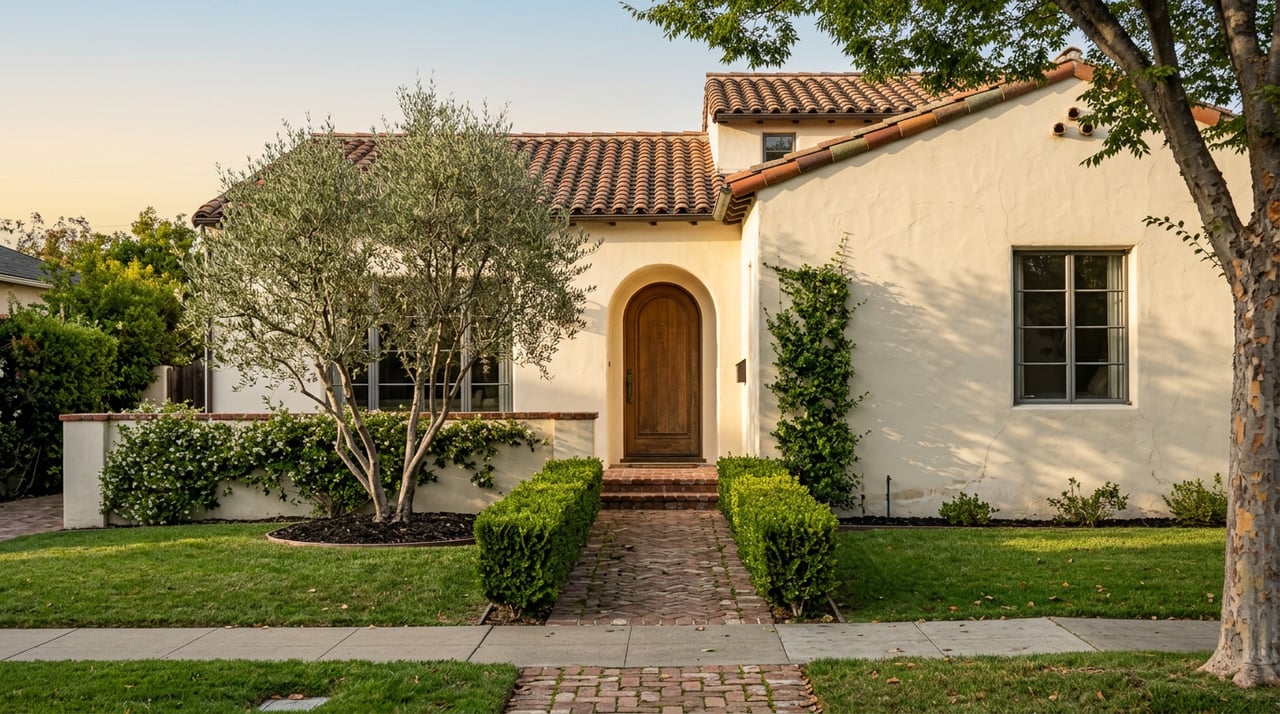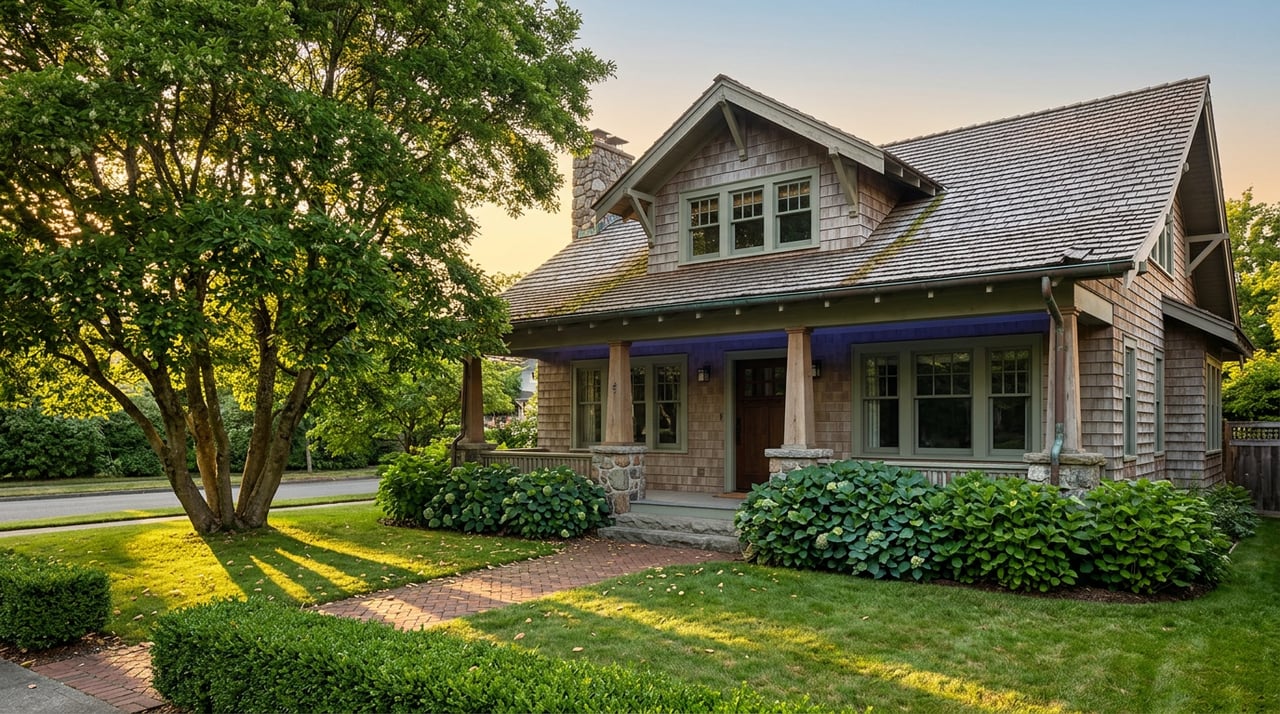
A homeowner in Windsor Square plans a kitchen remodel. She checks with the neighborhood association first, confirms the project falls under one of the categories the Windsor Square Preservation Plan exempts from design review, and moves forward exactly as instructed. Two years later, she lists the house and learns the exemption that made her renovation simple is the same exemption that can strip the property of Mills Act eligibility.
That is not a hypothetical drawn from nowhere. It is the specific warning the Windsor Square Association publishes on its own website: because the neighborhood's Preservation Plan exempts many projects from review, a property can lose Mills Act eligibility even when the work matches the Plan's preservation guidelines to the letter. Following the rulebook and qualifying for the tax program are not the same test, and the gap between them is where sellers get surprised in escrow.
The Loophole Inside the Rulebook
Windsor Square's Preservation Plan was written to make compliance easier for homeowners. Routine projects, the kind that would trigger a design review hearing in a stricter Historic Preservation Overlay Zone, are waved through without a hearing here. That is a genuine convenience if your only goal is to repaint the trim or replace a fence.
The Mills Act, though, does not evaluate a property against the Preservation Plan's exemption list. It evaluates whether the work was reviewed and found consistent with the historic character the contract is meant to protect. A project that never went through review has no record showing that consistency, regardless of how faithfully it was executed. The Windsor Square Association's own guidance is explicit that homeowners planning to apply for Mills Act or other tax incentives should contact the Planning Department before starting design work, precisely because the neighborhood's easier path and the city's Mills Act path are not the same door.
For a seller, this means the renovation history that made a listing photograph well can be the same history that complicates a buyer's due diligence on an existing contract, or blocks an owner's own future application.
Two Kinds of Historic, Two Different Exposures
Not every historic home in Windsor Square carries this risk equally, and the distinction matters for anyone comparing two listings that both use the word historic.
Some Windsor Square properties are individually designated Los Angeles Historic-Cultural Monuments. A 1907 Craftsman by architect Francis Pierpont Davis, marketed as sitting on one of the best blocks of the Wilton Historic District and carrying its own Historic-Cultural Monument designation, recently sold with its Mills Act contract highlighted as part of the listing. A home like this qualifies through its own individual landmark status. Its eligibility does not depend on whether a kitchen remodel went through neighborhood review, because the designation itself, not a Preservation Plan review record, is what anchors the Mills Act contract.
The much larger group of historic homes in Windsor Square qualifies a different way, as contributing structures within the neighborhood's Preservation Plan. For these properties, the Mills Act contract rests on the assumption that alterations have been tracked and found compatible with the district's character. That is exactly the category exposed by the exemption gap. A contributing property that quietly accumulated exempt renovations has a thinner paper trail to point to than an individually designated one, and thinner paper trails are what appraisers, buyers, and city reviewers all end up questioning.
If you are comparing two Windsor Square listings that both mention Mills Act, the honest first question is which kind of designation the tax contract is actually built on.
Why There Is No Reapplying Right Now
This gap would matter less if losing eligibility were a fixable problem. Right now, in Los Angeles, it mostly is not.
The City of Los Angeles has not accepted new Mills Act contracts since 2020, when City Planning launched an assessment of the program's sustainability and equity. That review found the program's funding insufficient to manage its existing contracts and that its savings were concentrated in neighborhoods with fewer barriers to opportunity, prompting a set of draft reform recommendations released in March 2025. Those recommendations have not advanced. The Los Angeles budget deficit for fiscal year 2025-26 put the broader reform effort on hold, and no reopening date for new applications has been announced by City Planning.
One piece of the program did move forward on schedule. The Los Angeles City Council approved a new annual maintenance fee on December 20, 2025, effective February 23, 2026, applying to the roughly 246 contracts signed after 2014. The fee ranges from about 675 dollars for a one-to-four unit residential property up to 1,086 dollars for larger residential or commercial properties, a real but modest carrying cost against the tax savings a contract still provides.
The practical consequence for Windsor Square is straightforward. If a contributing property's Mills Act eligibility gets undermined by an unreviewed renovation, there is currently no application window to fix it by reapplying. The freeze that has been in place since 2020 applies just as much here as anywhere else in the city. An existing, properly documented contract is not a minor line item to mention in passing. It is a benefit the market cannot currently reproduce on a comparable home that lacks one, which is exactly why its paper trail deserves scrutiny before it goes to market rather than after an offer arrives.
What This Means If You're Selling or Buying
For an owner preparing to sell a contributing property in Windsor Square, the useful move is confirming the contract's status before the listing goes live, not after a buyer's inspector asks about it. That means pulling the recorded Mills Act contract itself, checking whether past renovation work went through Preservation Plan review or fell under an exemption, and if there is any ambiguity, contacting the city's Office of Historic Resources directly rather than assuming the neighborhood association's exemption approval also satisfies the Mills Act standard.
For a buyer evaluating a listing that mentions Mills Act, the same document matters more than the marketing language. Ask whether the eligibility rests on an individual Historic-Cultural Monument designation or on contributing status within the Windsor Square Preservation Plan, and ask to see the recorded contract's renewal history rather than relying on a seller's description of it. A contract genuinely transfers to a new owner at close and its ten-year term continues without resetting, but that continuity only holds if the underlying eligibility was sound to begin with.
Neither of these steps requires a lawyer to explain, but both benefit from someone who already knows which questions a Windsor Square file tends to raise. That local familiarity is what separates a smooth escrow from one that stalls three weeks in over a designation nobody checked early.
Frequently Asked Questions
Does a Mills Act contract really transfer to a new owner automatically? Yes. The contract runs with the property rather than the individual owner, and its rolling ten-year term continues uninterrupted through a sale. What does not transfer automatically is certainty about whether the underlying eligibility is still intact, which is why verifying the contract's recorded terms during the contingency period matters more than assuming continuity.
If my Windsor Square home already has a Mills Act contract, does the current city freeze affect me? Not directly. The freeze applies to new applications, not to contracts already in place. Existing contracts continue on their normal renewal cycle, subject to the new annual fee that took effect February 23, 2026 for contracts signed after 2014.
Can I apply for Mills Act on a Windsor Square home that doesn't have it yet? Not currently. The City of Los Angeles has not accepted new Mills Act applications since 2020, and no date for reopening the program has been announced. The only way to acquire the benefit right now is to purchase a property that already holds a contract.
How is a Historic-Cultural Monument different from a contributing property in the Preservation Plan? An HCM designation applies to an individual property based on its own architectural or historical significance and does not depend on neighborhood-wide review of later alterations. Contributing status within the Preservation Plan applies to a property because of its role in the district's overall character, which is why a documented, reviewed alteration history matters more for these homes than for individually designated ones.
Windsor Square rewards close attention precisely because its rules were written to make daily compliance simple, not to make every simple choice safe for a future sale. If you are weighing a renovation on a historic property here, or comparing two listings that both wave the word Mills Act, a conversation before you commit to either one is worth more than a guess after the fact. Ali Jack has spent more than a decade working inside Windsor Square's specific rules, and the neighborhood page is a good place to start if you want a closer look at what makes this market behave the way it does. Let's Connect.