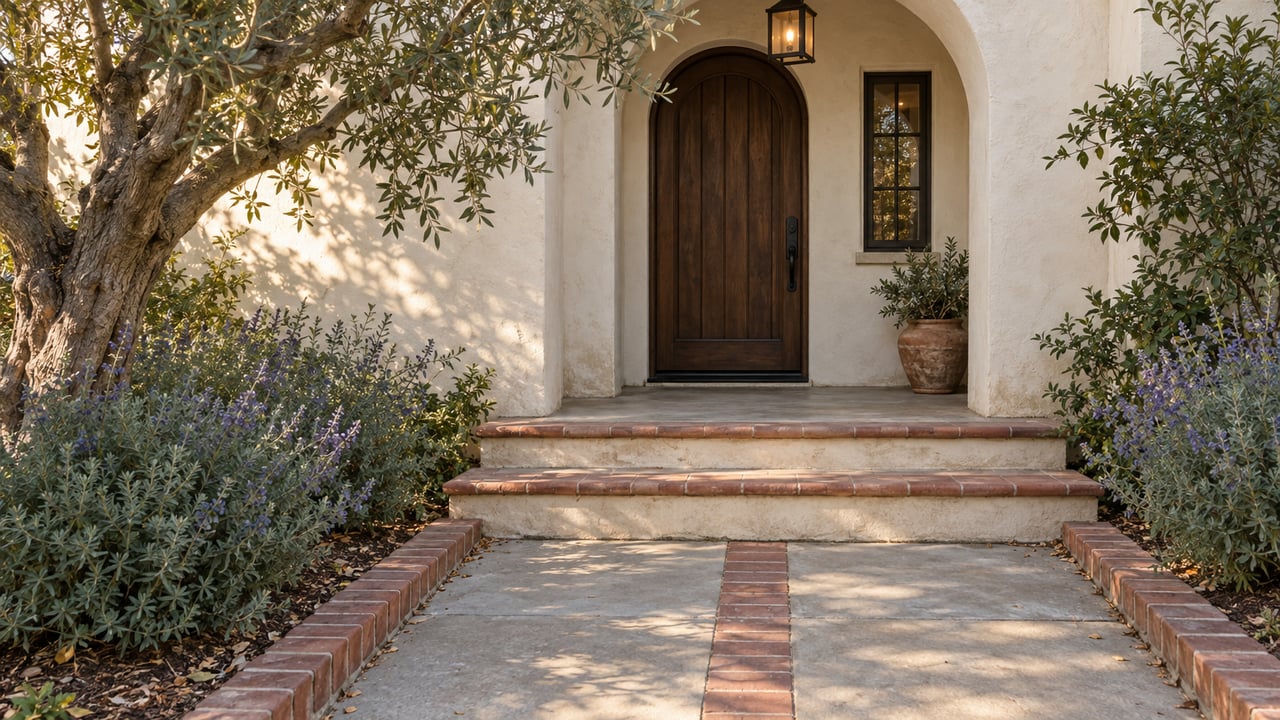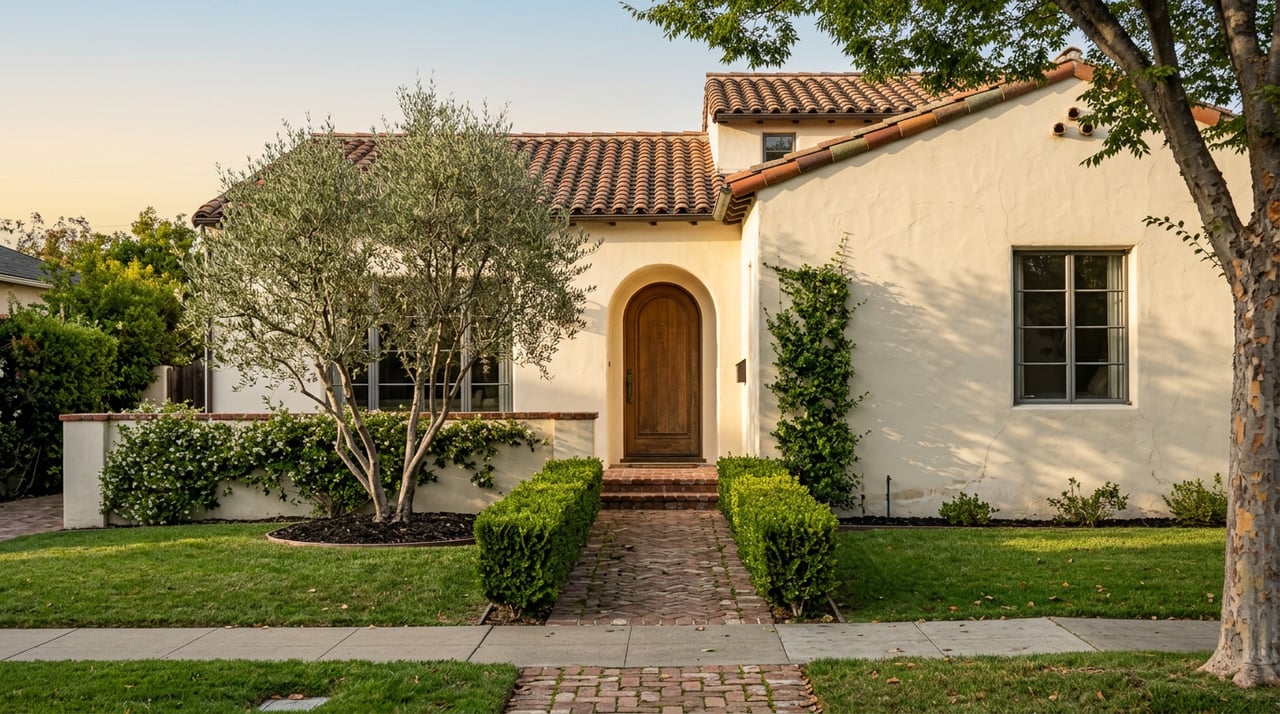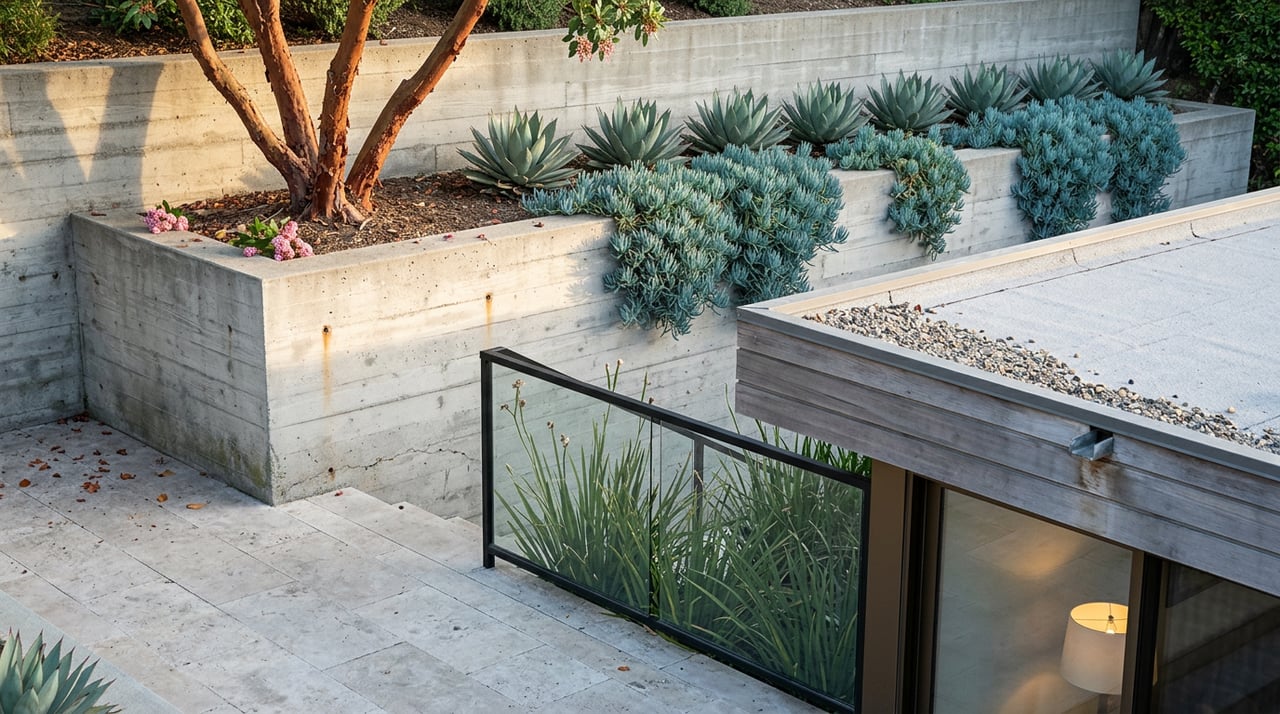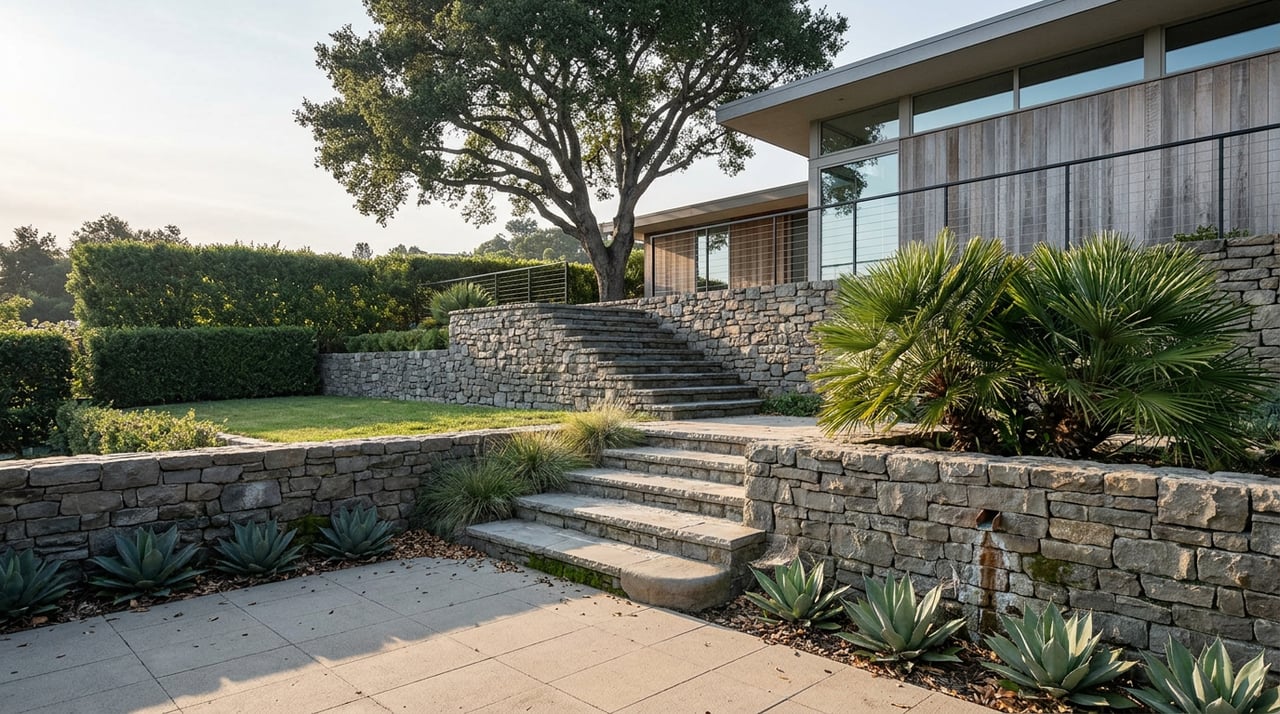
Two homes sit two blocks apart on the same Silver Lake slope this summer. Same era, similar square footage, comparable views over the reservoir. One closes in eighteen days at $1.55 million with three offers on the table. The other sits past sixty days, drops price twice, and finally closes $400,000 lower after the buyer's structural engineer walks the back cut of the lot and flags a retaining wall that was never engineered or permitted.
Neither home was staged badly. Neither had a finish problem. The gap came down to a folder: one seller could hand a buyer's agent a clean permit history, an engineered retaining wall drawing, and a current soils report before the offer was even written. The other seller found out about the wall the same afternoon the buyer's engineer did, three weeks into escrow, with a repair credit attached to the email.
That is the pattern worth understanding if you own a hillside home anywhere off Micheltorena, in Moreno Highlands, or along Redesdale Avenue and Rotary Drive and you're thinking about listing in the next year. In Silver Lake's hills right now, the paperwork sets the price before the photographer does.
Why the Slope Changes the Rules
A lot of what makes these streets desirable is exactly what makes them harder to sell cleanly. Many Silver Lake hillside parcels sit at a grade of 20 percent or steeper, and once a lot crosses that line, the city stops treating it like a standard residential parcel.
Under Los Angeles' Baseline Hillside Ordinance, projects on qualifying slopes face limits on grading volume, building height, and floor area that a flat-lot home two streets over never has to think about. Retaining walls get their own separate rule inside the Hillside Area: any retaining wall requires an engineered permit regardless of height, which is a meaningfully tighter standard than a flat lot, where a short wall can sometimes go up without one at all. On top of that, some Silver Lake parcels carry a Hillside Construction Regulation District designation, which layers a second, stricter review over grading and hauling work.
None of that shows up in a listing photo. All of it shows up the moment a buyer's lender, insurer, or structural engineer starts asking questions.
The Five Things a Buyer's Team Will Ask For Anyway
Sellers who avoid the mid-escrow surprise pull five documents before they list, not after an offer lands.
- A complete permit history for every addition, deck, garage conversion, and ADU, checked line by line against what the house actually has.
- Engineered plans and a final sign-off for any retaining wall above the permit threshold.
- A recent soils or geotechnical report, especially if there is visible slope movement, cracked hardscape, or moisture staining at the base of a wall.
- A Natural Hazard Disclosure Statement checked against current earthquake and liquefaction hazard maps, since a real share of this terrain sits inside mapped hillside and landslide zones.
- Confirmation of whether the specific parcel falls inside an HCR District. LADBS and the city's ZIMAS mapping system will confirm that for any address, and a seller who already knows the answer controls that conversation instead of reacting to it three weeks into escrow.
Every one of these can be produced before a home ever goes live. Skip them, and a buyer's team produces the same file during the contingency period, on their own timeline, and prices the gaps accordingly.
Why the Timeline Gap Is Really About Buyer Pool Size
The price spread between Silver Lake's micro-markets isn't only about desirability. It is also about how many buyers are actually willing to do this level of diligence work before they write an offer.
As of late spring 2026, the three pockets inside Silver Lake were behaving less like one neighborhood and more like three:
| Micro-market | Typical price range | Days on market |
|---|---|---|
| Reservoir-adjacent | $1.6M–$1.9M+ | 14–21 days |
| Flats (grid streets) | $1.2M–$1.55M | 18–30 days |
| Hillside / stair-access | $950K–$1.5M | 45–70+ days without pricing adjustment |
A hillside home isn't sitting on the market longer because it's worth less. It's sitting because the buyer pool willing to absorb slope, stairs, and a diligence-heavy purchase is smaller than the pool shopping the flats, and a listing priced as if that pool were the same size stalls out. Pricing that accounts for the smaller pool, backed by a clean file that removes the diligence risk, is what closes a hillside home inside three weeks instead of two months.
The Insurance Question That Now Surfaces Mid-Escrow
There's a second friction point that has nothing to do with the house itself and everything to do with the market around it. California's FAIR Plan, the state's insurer of last resort, now covers well over 590,000 residential properties statewide, more than double the count from three years ago, and a rate increase north of 35 percent was proposed for spring 2026.
For a hillside seller, that stopped being a buyer's problem the day it started affecting closings. If a buyer can't secure standard coverage during a 30-day contingency period, the deal doesn't fail at a convenient moment. It tends to fail around day eighteen, after showings have already stopped and the neighbors assume the house is sold. Pulling a current insurance quote on the property before accepting an offer, not after, is a small step that removes one of the least predictable ways a hillside escrow falls apart.
What This Means If You're Getting Ready to List
- Pull your own permit history early and compare it against what the house actually has, not what you remember building or what a past owner told you.
- Book a pre-listing inspection focused on retaining walls, drainage, and any deck or addition that cantilevers off the slope, rather than a general walkthrough.
- If there's any sign of slope movement or a retaining wall with no permit on file, get a structural engineer's opinion before a buyer's engineer forms one for you during the contingency period.
- Confirm HCR District status for your specific parcel through LADBS so you know the answer before a buyer's agent has to ask.
- Get a current homeowners insurance quote on the property before you accept an offer, not after.
None of this replaces a sharp price or strong marketing. It just means the marketing has something real underneath it once a buyer's team starts checking.
A Few Questions Worth Asking Before You List
Does the HCR District apply to every hillside parcel in Silver Lake? No. It was applied to specific areas by ordinance, and coverage depends on the parcel. LADBS confirms status address by address.
Can an existing unpermitted addition or retaining wall be legalized before listing? Sometimes. The typical path is to legalize the existing structure through engineering review, though larger or nonconforming work can require partial rebuilding. Starting that process early, well before a listing date, keeps more options on the table.
Does a hillside home need a new geotechnical report if one already exists from an older project? It depends on the age and scope of the original report. A study tied to a different footprint or an older slope condition often won't satisfy a current buyer's lender, so a fresh review focused on the home as it stands today is usually the safer place to start.
If you're weighing whether to list a hillside home in Silver Lake this year, the smartest first conversation isn't about paint or curb appeal. It's about what's actually in the file, and what a buyer's engineer is going to find whether you show it to them first or not. Ali Jack works with sellers across Silver Lake and the surrounding hills to get that file in order before a home ever goes live. If you'd like a candid read on your specific address, permit history included, let's connect.